The Allure of Wine Estates: A Glimpse into the World of Winemaking
Introduction
Wine estates have long been synonymous with elegance, tradition, and the art of winemaking. These idyllic locations offer a unique blend of natural beauty, rich history, and exquisite wines. In this article, we will explore the world of wine estates, their significance, and the factors that contribute to their allure.
The Significance of Wine Estates
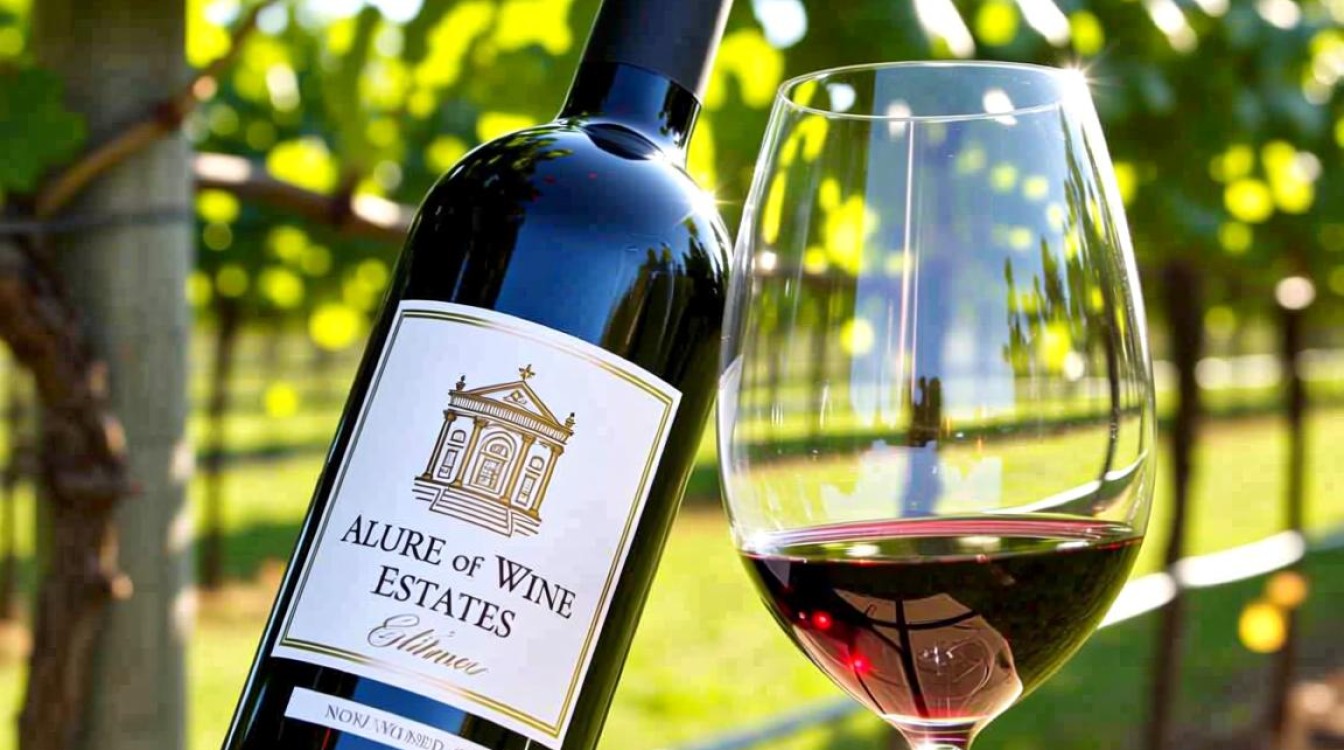
Wine estates, also known as vineyards, are the heart of the winemaking industry. They are where grapes are cultivated, harvested, and transformed into the world's finest wines. These estates play a crucial role in preserving the rich heritage of winemaking and contribute to the global wine culture.
Location and Terroir
One of the most critical factors in winemaking is the terroir, which refers to the unique environmental conditions of a vineyard's location. Factors such as soil composition, climate, and altitude all contribute to the terroir, which in turn influences the flavor and quality of the wine produced.
Grape Varietals
Wine estates cultivate a variety of grape varietals, each with its distinct characteristics. Some of the most popular grape varietals include Cabernet Sauvignon, Merlot, Chardonnay, and Pinot Noir. These varietals are chosen based on the terroir and the desired flavor profile of the wine.
Winemaking Process
The winemaking process is a delicate balance of science and art. It involves several stages, including vine pruning, grape harvesting, fermentation, aging, and bottling. Each step is crucial in ensuring the quality and integrity of the final product.

Sustainability and Environmental Practices
In recent years, many wine estates have embraced sustainable and environmentally friendly practices. These include organic farming, water conservation, and the use of renewable energy sources. These efforts not only benefit the environment but also enhance the quality of the wine.
Historical and Cultural Significance
Wine estates often have a rich history and cultural significance. They are often located in regions with a long-standing tradition of winemaking, and many of these estates have been passed down through generations. The architecture, art, and history of these estates offer a glimpse into the past and the evolution of winemaking.
Table: Top Wine Estates Around the World
| Estate Name | Location | Notable Wines | Year Founded |
|---|---|---|---|
| Château Margaux | Bordeaux, France | Cabernet Sauvignon, Merlot | 1661 |
| Mouton Rothschild | Bordeaux, France | Cabernet Sauvignon, Merlot | 1725 |
| Domaine de la Romanée-Conti | Burgundy, France | Pinot Noir | 1604 |
| Penfolds | Barossa Valley, Australia | Shiraz, Cabernet Sauvignon | 1844 |
| Robert Mondavi | Napa Valley, USA | Cabernet Sauvignon, Chardonnay | 1966 |
Conclusion
Wine estates are more than just places where wine is produced; they are symbols of tradition, culture, and the pursuit of excellence. From the terroir to the winemaking process, each aspect of a wine estate contributes to the creation of exquisite wines that are cherished around the world.
FAQs
Q1: What is the difference between a vineyard and a winery? A1: A vineyard is the land where grapes are grown, while a winery is the facility where the grapes are processed and turned into wine. Some vineyards also have wineries on-site.

Q2: How do climate and soil affect the quality of wine? A2: Climate and soil are crucial factors in the quality of wine. Climate influences the ripening of grapes, while soil composition affects the nutrients available to the vines. The combination of these factors contributes to the unique flavor and character of the wine.
标签: 红酒庄园 vs. 葡萄酒庄园 英文红酒庄园对应词 Wine Estate 翻译为中文